

Exclusive Interview: We get deep and travel into the story of Yusuf Hawkins, his family, and what this documentary means to the collective of people associated with the film. Muta’ Ali Muhammed shares his personal experiences and so much more with Blackfilm.com correspondent Keisha Lashaye.
How does it feel to have such a provocative piece of work on HBO during the societal challenges we currently have that’s parallel to the story?
Muta’ Ali: I like that you called it provocative, it feels good – it’s been a long journey, we’ve been doing it for four years to get to this point. I just had a huddle with my people, the four brothers behind it. Me, Javon, Victorious, and Charles, showing appreciation and love. It’s hard to explain, it feels great, it feels special a little bit, so I’m hoping that it does something special.
It’s put together beautifully, what’s the initial force behind you and your counterparts wanting to create the documentary?
Muta’ Ali: The real initial emphasis was Yusuf’s childhood friend Charles Darby. He was half sleeping, half-awake, and had a dream Yusuf came to him and said, don’t forget about me, and he’s not a filmmaker, but he thought to honor his friend through a documentary. This happened in 2015. The networking started on social media, and he connected to a couple of people, and victorious contacted me. Victorious saw a project of mine he liked that surrounded my grandmother’s life, Life’s Essentials with Ruby Dee with my directing partner Javon.
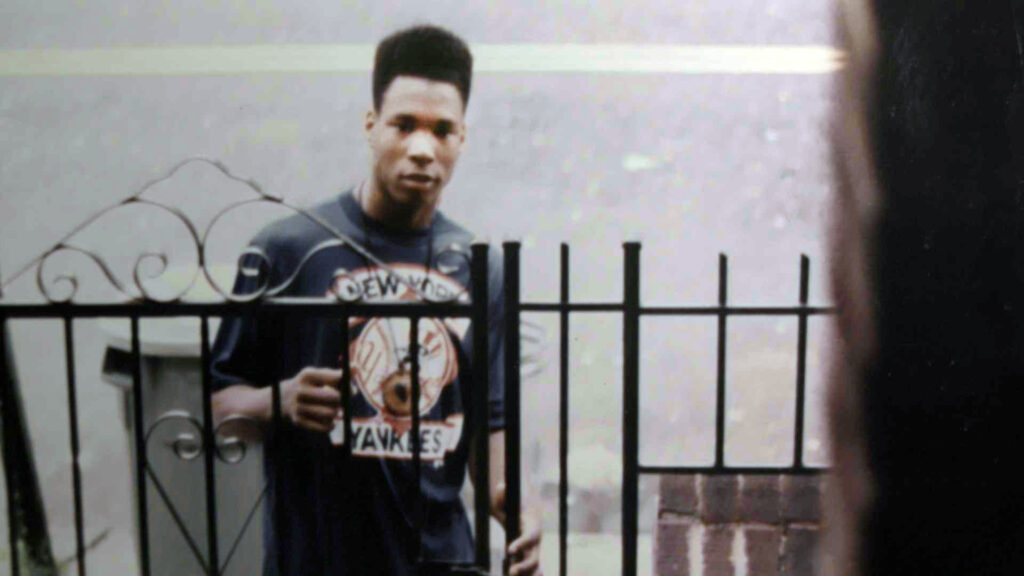
What about you personally, what made you want to dive into this project?
Muta’ Ali: For me, it wasn’t because the story was a big deal because it was popular in NY, not even because it was a great story to tell… It was because I realized I had to find a way to tell the story and make this a collective relatable thing not only for the older generation but for the younger generation too. I came onboard in 2016, and there was no budget – I’d just did that with my last documentary, and I wouldn’t do that again unless there was something critically important about it. That drove me. The other half of deciding to join this project was meeting his mother, Freddy (Yusuf’s brother), and Reverend Sharpton. I realized they never had a chance to get the story off their chest. His mother was so traumatized in the beginning that she didn’t speak on what happened until the documentary. It was important to tell the story. Yes, and there was contemporary relevance in this story directly to today’s time – if you tell it the right way, and that was definitely there. So at that point, I said yes and got on board. The budget was finalized in 2018.
Did you personally sit down with everyone and interview them?
Muta’ Ali: Yes, I conducted and filmed almost all of them. The family, Reverend Al Sharpton, and The mayor. Aside from Fama, because it was in a penitentiary, I did conduct the interview, but it was shot by someone else. It wasn’t until he walked in that room that my human side kicked in, and I made some assessments and noticed some things.
How was experiencing, and feeling the emotions or the attachment from the story, family, friends, or people associated… How did that impact you?
Muta’ Ali: As a Director, I didn’t feel it. You can’t! I usually freestyle my questions, but I had a strict outline for this one. The most emotional part was going into prison as a Black man. I don’t’ think I would want to experience that again. I interviewed Joey Fama, the person accountable for Yusuf’s death. I didn’t film because it was in the penitentiary. What was most important to me was to get the job done. And tell the story the best way possible. It was game time. I had LightBox, ABFF (American Black Film Festival), and HBO, they were behind me so that I couldn’t connect any emotions or attachment to it.
For this documentary, particularly, what’s the essential quality for someone of your stature to embody -having to direct this multifaceted piece of work and bringing elements of the past and present to life?
Muta’ Ali: A combination of aggression and sensitivity! I was able to appreciate the end of the project giving Ms. Hawkins the center and end of the project. And, always keeping the family in the center of the documentary at ALL times. Contrasting the confrontations, denials, and peppering in the bias opinions from opposing perspectives, the racism and violence from people and how people in politics need to take advantage of certain situations. But doing this effectively in a non-offensive way to the family.
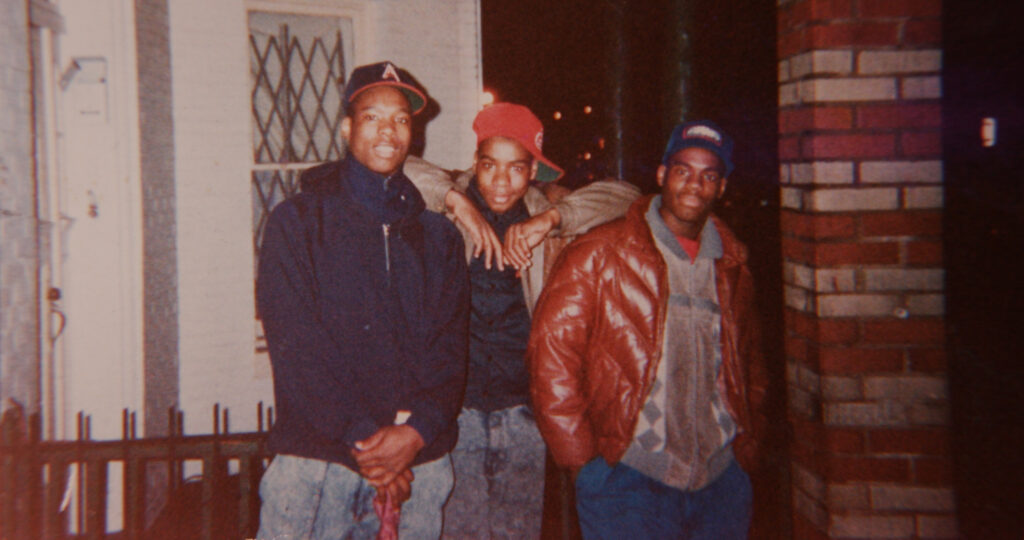
That’s a delicate balancing act and the art of directing. It takes a lot of research thinking, creating, and composing different viewpoints on your own… Speaking on perspective, is there any parallelism with the protests or marches between then and now.
Muta’ Ali: In some ways, yes, they marched for three years non-stop. 89-91, unfortunately, that’s still appropriate today. When I think of the people responsible for Breonna Taylor’s death, this has taught me— we have to be consistent, taking the violence out of it. We have to be persistent and keep the marches going. At some point, it’ll disrupt businesses, communities, politics… which will lead to change because money will be affected. Sadly, 31 years later, it’s still required. These things are still happening. That was a powerful lesson I learned while putting the film together.
They marched for a long time, through the winter, and did so for three years. We don’t put in as much time into our movements. But on the other side of things, the families of the victims have to go through that loss in such a violent, incomprehensible way, and they go through a lot. The families live on long after everything subsides and they have trauma. It sounds idealistic, but I wish that we could look back at these families when this happens and say I love you, provide support, and be sure that these names live.
We don’t do it on purpose, but we have a lot going on naturally, so we begin to step back. I’m thankful for the names that have been given to that struggle due to senseless violence. If we remember them, say their names, and continuously march or show support, and that could change a lot.
How does it feel to create a wave of knowledge, provide background, and a glimpse of Yusuf and his family?
Muta’ Ali: Its an honor to be apart of something good. We’ve been doing this for years and recently showed Yusuf’s family I was anxious… When I got their response, it was over for me in a good way – I was more than happy, and they loved it. Now they have a capsule in a sense to look to, and I try to say this carefully because we don’t know what they go through losing someone to a senseless crime, murdered for doing absolutely nothing wrong. I can’t imagine the feeling. I’m hoping they can put the pain down and know that his name is out there. There’s a lot of stories that took place. For The Color Of His Skin, by John DeSantis. This is the first book I read researching for the documentary. When I spoke with John, he called it the civil rights movement of NY.
One thing that ties this together with current times is Ed Koch – he needed to make sure the wealthy white people were good because the tax dollars come straight to the Mayor’s office. That’s just how it is, and back then east side NY was basically rubble. Ed Koch used tactics to discourage people from marching or saying not everyone is racist, and just like the times we’re in now, our leaders have always neglected an entire race.
When you do that long enough like our President now speaking and advocating for the suburbs – that public housing assistance won’t be built there. They disregard an entire race, and as people follow these leaders, they adopt the same mindset. When something racial happens they always say it’s not race, making them feel less guilty – and this knocks the race discussion off the table completely. Not to be spoken on. So there is no resolution.
Someone told me this, and it stuck with me. I latched to it: While we tell these stories and we need to, we don’t want to reinforce the idea that we’re victims. We’re not – this is why I was happy the film wasn’t ended on a sorrowful note. I’m happy the family being on Yusuf’s mural was the closing point. These are the things I learned during the process of the film.
Would you say those are the lessons you learned or grew knowledge on while filming? I’m sure being a black man you’re aware of the prejudices and racism, what did the documentary do you for you in that aspect?
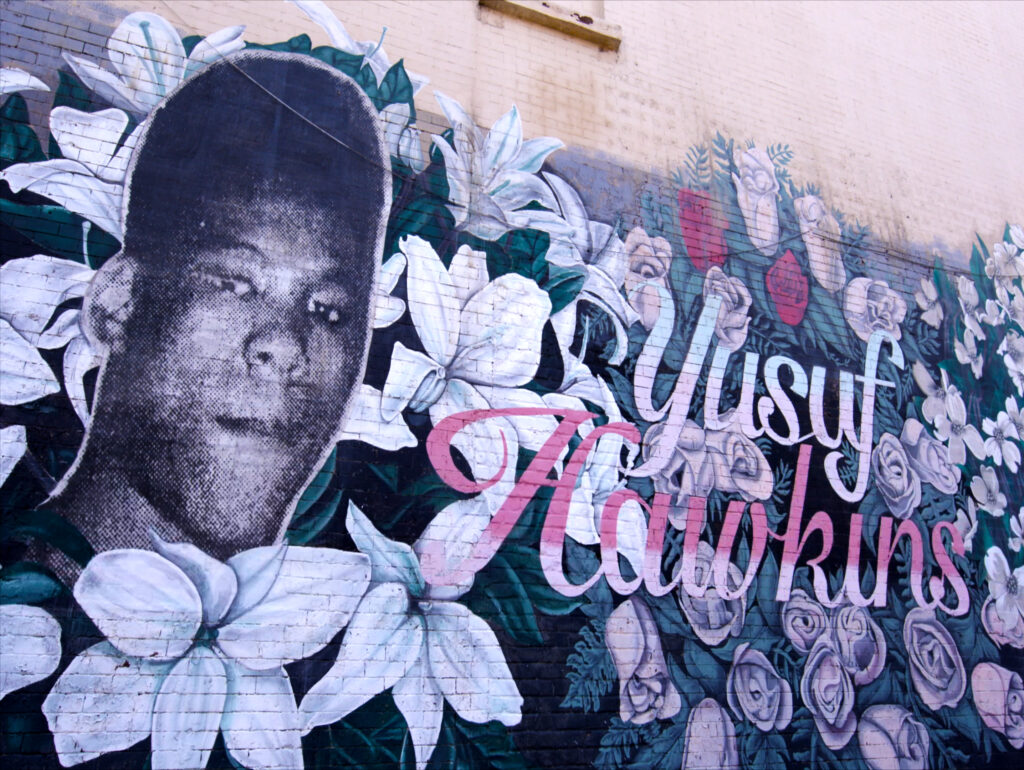
Muta” Ali: I dived into those topics, learning about racism and undoing it, trying to learn more about racism denial. Going to workshops. I’ve been doing it but not as much as before filming Yusuf. I knew that it wasn’t just a story. There was more than what was being shown.
We were told when I was younger that NY was a melting pot. I was born in Westchester, NY, around Mt. Vernon, New Rochelle, and that’s not true. If you Google the NY Times Mapping segregation 2015, you’ll see that. It is an interactive map showing where people live by race. That is something I brought into the pitch to HBO…
Because NY is a liberal city but very segregated, separated amongst races. Looking back at 89′, it was almost the same. Maybe worse now, according to some people.
What, in your opinion, is the most important quality in a Film Director for this documentary?
Muta’ Ali: Aggression and sensitivity. Giving space for Yusuf’s mother and humanity – placing the family in the center of the documentary and being confrontational. You have to display the difficult things…the racism, the political references, peppering the denial, the bias, the biased opinions. but doing so in a way that doesn’t cloud the story.
What comment or statement do you believe is being made in this documentary about what it is to be black in America today ? What impactful statement do you think is being made in and out of the film?
Muta’ Ali: We struggle with our own identity. I see a lot of Black people not being black. Black people struggle with being black. We should be aware of the likeliness that we aren’t given a fair playing field. We should grow and be powerful through that – having a skillful balancing act between finding joy and know how to be who we are.



Loading…